Introduction
A traditional fashion photoshoot requires booking models weeks in advance, reserving studio space, coordinating hair and makeup teams, managing stylists, and scheduling photographers—only to spend days in post-production retouching. The process typically costs $80–$150 per image and takes 4–8 weeks from concept to final delivery.
Today, brands can generate the same campaign-quality imagery in hours. No models. No studios. No logistics.
That gap matters because fashion brands—especially in e-commerce—are under pressure to produce exponentially more content without proportional budget growth. Traditional photography scales linearly: doubling your catalog means doubling your shoot days and spend. For brands managing hundreds or thousands of SKUs across multiple regions and demographics, that math becomes unsustainable fast.
This guide walks through what fashion virtual photography is, how the technology works, where it outperforms traditional shoots, and what to watch for before adopting it.
TLDR:
- Fashion virtual photography uses AI and 3D rendering to create photorealistic garment imagery without physical models or studios
- Costs drop from $80–$150 per image to $1–$5, with turnaround compressed from weeks to hours
- On-model imagery converts 20–30% better than flat-lays—a meaningful lift for any e-commerce catalog
- Platform quality varies significantly—human review and garment accuracy checks separate professional outputs from generic results
- Most brands adopt a hybrid approach: AI for catalog scale, human models for hero campaigns requiring emotional authenticity
What Is Fashion Virtual Photography?
Fashion virtual photography is the use of AI, 3D modeling, and rendering technology to create realistic garment imagery without physical models, studios, or camera crews. It spans everything from AI-generated model images for product pages to full CGI lookbook production for editorial campaigns.
Two Primary Technical Approaches
CGI models are built using professional 3D software like CLO 3D, Blender, or Browzwear, offering maximum realism and control. They rely on physics-based cloth simulation — algorithms that model tensile, shear, and bending properties to replicate how fabric drapes on a body.
This approach requires specialist skills in 3D garment construction and rendering, but delivers photoreal quality suited to luxury brands and high-end editorial work.
AI-generated models are created using machine learning tools from text prompts, reference images, or product packshots, prioritizing speed and accessibility. Modern platforms blend both approaches, using neural-assisted simulation to estimate fabric behavior directly from images — without the manual setup required by traditional physics-based tools.
Evolution of the Industry
The commercial viability of virtual fashion models was proven between 2016 and 2018 by early digital avatars:
- Lil Miquela debuted on Instagram in April 2016 and secured brand partnerships with Prada (February 2018) and Calvin Klein (May 2019)
- Shudu Gram, created by photographer Cameron-James Wilson in April 2017, became widely recognized as the world's first digital supermodel after Fenty Beauty reposted her image in February 2018
These pioneers proved consumer appetite was real. Once that was established, investment followed — and by 2023–2025, mainstream adoption accelerated rapidly:
- Levi Strauss & Co. partnered with Lalaland.ai in March 2023 to supplement human models with AI-generated diversity
- Mango launched its first fully AI-generated campaign for Mango Teen in July 2024
- H&M took it further in March 2025, announcing digital twins of 30 human models for use across its marketing channels
For fashion brands and e-commerce teams, this shift means on-model imagery at scale is no longer reserved for labels with dedicated 3D production budgets — the tools are now accessible to any team willing to use them.
How AI-Powered Virtual Fashion Photography Works
Step 1: Garment Digitization
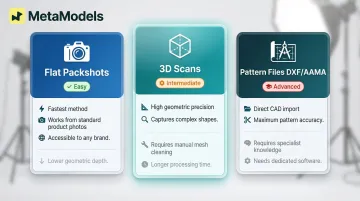
Physical garments are converted into digital assets using one of three methods:
- Flat packshots: Standard product photography (flat-lays or ghost mannequin images) uploaded directly to AI platforms. Advanced systems analyze these 2D images and reconstruct fabric texture, color, and shape digitally.
- 3D scans: Capture garment geometry and surface detail with high precision, though they require manual cleaning to remove holes and noise before use.
- Pattern files (DXF/AAMA formats): Allow technical design teams to import CAD patterns directly into 3D software, which requires specialized garment construction knowledge.
Platforms like MetaModels.ai work directly from packshots, removing the barrier of complex 3D modeling for brands.
Step 2: AI Model Selection and Customization
Brands select from curated libraries of AI-generated models varying by:
- Ethnicity and skin tone
- Body type and size
- Age range and demographic
- Facial features and styling
Custom avatars can be commissioned to match specific target audiences and brand identities. This step directly affects representation and buyer connection. Showing your product on a model who reflects your customer base has been shown to increase purchase intent, regardless of the viewer's own identity.
Step 3: Scene, Backdrop, and Lighting Configuration
Virtual environments are configured digitally:
- Studio backdrops (white, neutral, or styled sets)
- Outdoor scenes (urban, natural, abstract)
- Editorial environments (runway, lifestyle, conceptual)
Lighting setups are applied instantly, allowing iteration across different aesthetics without renting physical locations or equipment. Brands can test the same garment in minimalist studio lighting and dramatic outdoor shadows in minutes.
Step 4: AI Rendering and Fabric Simulation
Algorithms simulate realistic fabric draping, texture, shadow, and movement on the digital model. Advanced platforms use real-time fabric draping technology powered by neural cloth simulation, which maps garment degrees of freedom to body movement and replicates how garments actually fall and fit.
This is critical for consumer trust in e-commerce. Shoppers cite "not knowing how it will fit" as their top concern when buying online. Accurate drape simulation addresses this barrier directly.
Step 5: Quality Review and Output
Output images undergo either automated quality checks or human editorial review to confirm:
- Garment accuracy (color, texture, print details)
- Correct proportions and fit
- Brand consistency across lighting and tone
Platforms like MetaModels.ai include human-in-the-loop verification as a core part of their process. Fashion specialists review every image before delivery, correcting color accuracy, shape, and proportions. The result is ready-to-post content at up to 4K resolution.
Virtual Fashion Photography vs. Traditional Photoshoots
Cost and Timeline Comparison
Traditional e-commerce photography scales linearly: more SKUs mean more shoot days and proportional cost increases. AI virtual photography operates on subscription or flat-rate models, driving marginal cost per image near zero at high volumes.
| Cost Component | Traditional Photoshoot | AI Virtual Photography |
|---|---|---|
| Photographer | $1,000–$3,500 per day | Included in platform fee |
| Model(s) | $600–$4,000 per model | $0 (diverse AI avatars) |
| Studio Rental | $300–$2,000 per day | $0 |
| Stylist & HMUA | $800–$2,400 combined | $0 |
| Retouching | $20–$80 per image | $0.05–$0.29 per image |
| Per-Image Cost | $80–$150 | $1–$5 |
| Timeline | 4–8 weeks | Same day (often under 2 minutes) |
Zalando reported 90% cost reduction on imagery production after adopting AI workflows for its Q4 2024 editorial campaigns.
Scalability and Content Volume
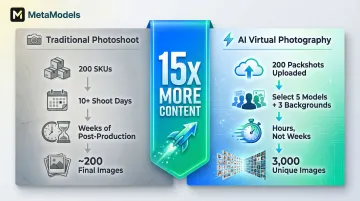
Traditional shoots require booking models, reserving studios, and scheduling retouchers for every new batch of SKUs. A 200-item catalog might require 10+ shoot days spread across weeks.
AI virtual photography allows brands to generate hundreds of outfit-and-model combinations from a single batch upload. Upload 200 packshots, select 5 diverse AI models, choose 3 background environments—and receive 3,000 unique images within hours. For seasonal launches or large catalog refreshes, that throughput is difficult to match with any traditional approach.
Representation and Creative Flexibility
Traditional casting involves scheduling, availability constraints, physical location limits, and usage licensing negotiations. If your campaign needs a plus-size model in her 50s, finding availability and negotiating rights can add weeks.
AI models are programmable. Brands can create visuals featuring any body type, skin tone, age, or demographic instantly. Adjusting poses, backgrounds, or outfits requires no reshooting—just a few software adjustments.
MetaModels.ai provides a diverse model library spanning different ethnicities, body types, and age groups, plus custom model creation for brands that need visuals matched to a specific audience persona — all without additional casting fees.
Authenticity and Emotional Resonance
That flexibility makes AI a strong fit for high-volume catalog work — but it has limits. Real human models carry spontaneity and emotional authenticity that AI cannot fully replicate. A smile captured mid-laugh, the natural asymmetry of a pose, the subtle confidence in a glance — these qualities build brand connection in ways that matter for storytelling campaigns.
Many brands use a hybrid approach:
- AI-generated images for catalog pages and product listings, where fit, drape, and detail accuracy drive purchase decisions
- Human model shoots reserved for hero campaigns and editorial content where emotional resonance and brand personality are the priority
This strategy captures the scalability of AI and the emotional power of human photography.
Key Benefits for Fashion Brands and E-Commerce
Cost Efficiency at Scale
Eliminating model booking fees, studio hire, travel, stylist costs, and royalty payments creates substantial savings that compound as catalog size grows. Pixel Moda reports cost reductions up to 70% on images and 90% on videos when brands switch to virtual workflows.
For a 500-SKU catalog:
- Traditional: 500 images × $100 average = $50,000
- AI Virtual: 500 images × $3 average = $1,500
That $48,500 difference goes back into marketing, inventory, or product development.
Speed and Content Velocity
Brands can compress launch timelines dramatically. New collection visuals can be produced and updated within hours, enabling:
- Faster trend responses (capture micro-trends before they fade)
- A/B creative testing (test 10 background variations simultaneously)
- Always-fresh product page imagery (update seasonally without reshoots)
In fast fashion and D2C, being first with visuals often means being first in the cart.
Inclusive and Diverse Representation
AI model libraries with diverse ethnicities, body types, ages, and demographics allow brands to authentically represent their full customer base at no extra cost.
Microsoft Advertising research shows inclusive ads drive a 23-point lift in purchase intent, regardless of whether the viewer is personally represented. The stakes of getting this wrong are real: 70% of Black consumers will stop buying from brands perceived as devaluing their community.
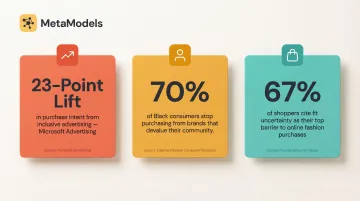
AI photography makes it economically feasible to show every SKU on multiple models. That matters beyond representation: 67% of shoppers cite "not knowing how it will fit" as their top barrier to online purchase.
Brand Consistency Across Channels
AI-generated imagery maintains identical lighting, tone, model features, and visual style across:
- E-commerce listings
- Social media posts
- Paid advertising
- Lookbooks and editorial content
This eliminates the inconsistency that arises when multiple photographers or shoots contribute to a catalog. Research by Lucidpress indicates consistent brand presentation can increase revenue by 33%, while Salsify data shows 40% of shoppers rely on product images to decide whether to buy.
Sustainability Benefits
Virtual photography reduces the fashion industry's content-production footprint by eliminating:
- Crew travel (flights, ground transportation)
- Energy-intensive studio operations
- Sample shipping (often international)
- Textile waste from unused samples
The Fabricant reports their 3D workflow cuts concept-to-prototype time by 50–70%, preventing overproduction of physical garments. Carlings' 2018 digital collection was marketed specifically as having zero negative environmental impact because no physical garments were manufactured or shipped.
Types of Virtual Fashion Content and Use Cases
E-Commerce Product Listings
On-model AI imagery on product pages outperforms flat-lay or ghost mannequin shots by 20–30% in conversion rates. Consumers need to see how garments fit and drape on a body—fabric weight, proportion, and silhouette become clear.
AI virtual photography makes it economically feasible to show every SKU on a model, even for large catalogs where traditional on-model photography would be cost-prohibitive. Brands also see a 15–25% reduction in return rates because customers have clearer expectations about garment fit.
Social Media, Ads, and Campaign Content
AI-generated fashion imagery enables rapid creative variation for paid social and organic content. Brands can test:
- Different model demographics (age, ethnicity, body type)
- Background environments (studio, outdoor, lifestyle)
- Styling directions (casual, formal, editorial)
Each variation ships at no incremental production cost, making this approach especially practical for performance marketing teams running A/B tests across multiple ad sets. MetaModels.ai formats content specifically for Instagram, Facebook, Pinterest, and TikTok ad specifications.
Lookbooks, Editorial, and Emerging Formats
Higher-end use cases include:
- Editorial lookbooks — Digital scenes replace location shoots. Vogue published an AI-generated campaign for Guess in 2025, though it drew backlash for appearing "inhumanly flawless" — a reminder that realism still matters.
- AR try-on — The global virtual try-on market was valued at $9.17 billion in 2023 and is projected to reach $46.42 billion by 2030, with apparel holding the largest revenue share.
- Metaverse fashion shows — Brands are staging fully virtual runway events, where AI-rendered garments perform on digital avatars in real time — no venue, no travel, no logistics.
Challenges and Ethical Considerations to Know
Technical Limitations to Assess
Despite rapid improvement, AI fashion photography still faces challenges:
Uncanny Valley Effect: Images that look nearly—but not quite—human alienate consumers. When Vogue published an AI-generated Guess campaign in 2025, readers canceled subscriptions and criticized the models as "eerily sterile".
Inconsistent Fabric Realism: Complex textures (sheer fabrics, heavy knits, layered garments) remain difficult to render convincingly. Quality varies significantly between platforms.
Variability Between Platforms: Not all AI fashion photography tools deliver the same output quality. Brands should prioritize platforms offering human review and garment accuracy checks before committing.
Ethical Concerns Around Jobs and Authenticity
Job Displacement: AI models reduce demand for human models, photographers, stylists, and makeup artists. When Levi's announced its partnership with Lalaland.ai in 2023, critics accused the brand of digital blackface and avoiding paying real models of color.
SAG-AFTRA has bargained aggressively for performer protections, mandating clear consent, minimum compensation, and specific use-case descriptions before digital replicas of performers can be created.
Authenticity vs. Performative Diversity: Representation concerns extend beyond job displacement. When Fenty Beauty reposted an image of Shudu Gram in 2018, critics questioned whether a white male photographer profiting from a fabricated Black woman's likeness constituted genuine inclusion — or simply a cheaper substitute for hiring real diverse talent.
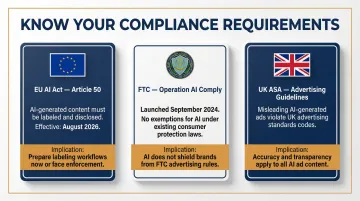
Disclosure Requirements: Regulators are actively targeting deceptive AI practices:
- EU AI Act Article 50 mandates that AI-generated content be clearly identifiable and labeled (effective August 2026)
- The FTC launched "Operation AI Comply" in September 2024, stating explicitly that "there is no AI exemption from the laws on the books"
- The UK's ASA advises that while disclosure isn't universally required, AI that exaggerates product performance or misleads audiences violates existing advertising codes
How to Evaluate an AI Fashion Photography Platform
Before selecting a provider, assess:
Model Realism:
- Do models avoid the uncanny valley?
- Are facial features, skin texture, and proportions natural?
Fabric Simulation Accuracy:
- Does the platform handle your garment categories well (knitwear, sheer fabrics, structured tailoring)?
- Are draping and fit realistic?
Diversity of Available Models:
- Does the library reflect your customer demographics?
- Can you create custom models matching your brand identity?
Human Review and Output Quality:
- Are images reviewed by fashion specialists before delivery?
- Can you request manual corrections, and are outputs delivered at 4K or higher?
Turnaround Speed:
- What is the timeline from upload to delivery?
- Are expedited options available?
Licensing Terms:
- Do you receive full commercial usage rights?
- Are there royalty obligations or usage restrictions?
MetaModels.ai addresses each of these criteria directly: human-reviewed outputs, a curated diverse model library, custom model creation, and ready-to-post content at up to 4K resolution — with no royalty obligations or usage restrictions.
Frequently Asked Questions
What is fashion virtual photography?
Fashion virtual photography is the use of AI and 3D rendering technology to create realistic garment imagery without physical models or studios. It encompasses both AI-generated model photography and CGI-based approaches, enabling brands to produce on-model content at scale.
How much does AI fashion photography cost compared to traditional photoshoots?
AI virtual photography eliminates variable costs including model fees, studio rental, travel, and royalties. Traditional shoots cost $80–$150 per image and take 4–8 weeks; AI platforms reduce costs to $1–$5 per image with same-day turnaround.
Can AI fashion photography fully replace traditional models?
AI is best suited for catalog, e-commerce, and scalable content production where fit, drape, and product detail are priorities. Human models remain valuable for hero campaigns requiring emotional authenticity and brand storytelling. Most brands use a hybrid approach, leveraging AI for volume and humans for emotional connection.
How realistic is AI-generated fashion photography today?
Modern AI fashion photography tools produce hyperrealistic skin textures, lighting, and fabric details increasingly indistinguishable from studio photography. However, quality varies significantly by platform and garment complexity—platforms with human review processes deliver the most reliable professional-grade results.
What types of fashion content can be produced with virtual photography?
AI platforms produce e-commerce listings, social media and ad content (Instagram, Facebook, TikTok), lookbooks, and emerging formats like AR try-on and metaverse fashion shows — all available as static images up to 4K or video.
How do I get started with virtual fashion photography for my brand?
Start by identifying your catalog volume, target channels, and model diversity requirements. Then evaluate platforms on garment accuracy, model range, human review quality, and licensing terms. MetaModels.ai offers end-to-end production management and demo consultations to get you up and running quickly.